★★★★★
“Booking online saved us a lot of time. We entered directly with the mobile ticket.”
Emily R. United Kingdom
Book your tickets online, avoid long queues and check opening hours instantly.


It’s almost impossible to visit Istanbul without seeing Hagia Sophia, Topkapi Palace, and the Basilica Cistern. These three iconic landmarks offer a journey through the city’s thousands of years of history, grandeur, and mystery in a single route.
From the breathtaking architecture of Hagia Sophia to the grand courtyards of Topkapi Palace and the mystical atmosphere of the Basilica Cistern, this experience lets you truly feel the spirit of Istanbul.
If your time is limited or you want to avoid long ticket lines, this combo ticket is the easiest way to explore all three.


Thousands of travelers booked Basilica Cistern tickets online and skipped the long entrance lines.
“Booking online saved us a lot of time. We entered directly with the mobile ticket.”
Emily R. United Kingdom“The atmosphere inside was incredible. Definitely one of the highlights of our Istanbul trip.”
Marco T. Italy“Very easy to find and the queue moved fast with skip-the-line access.”
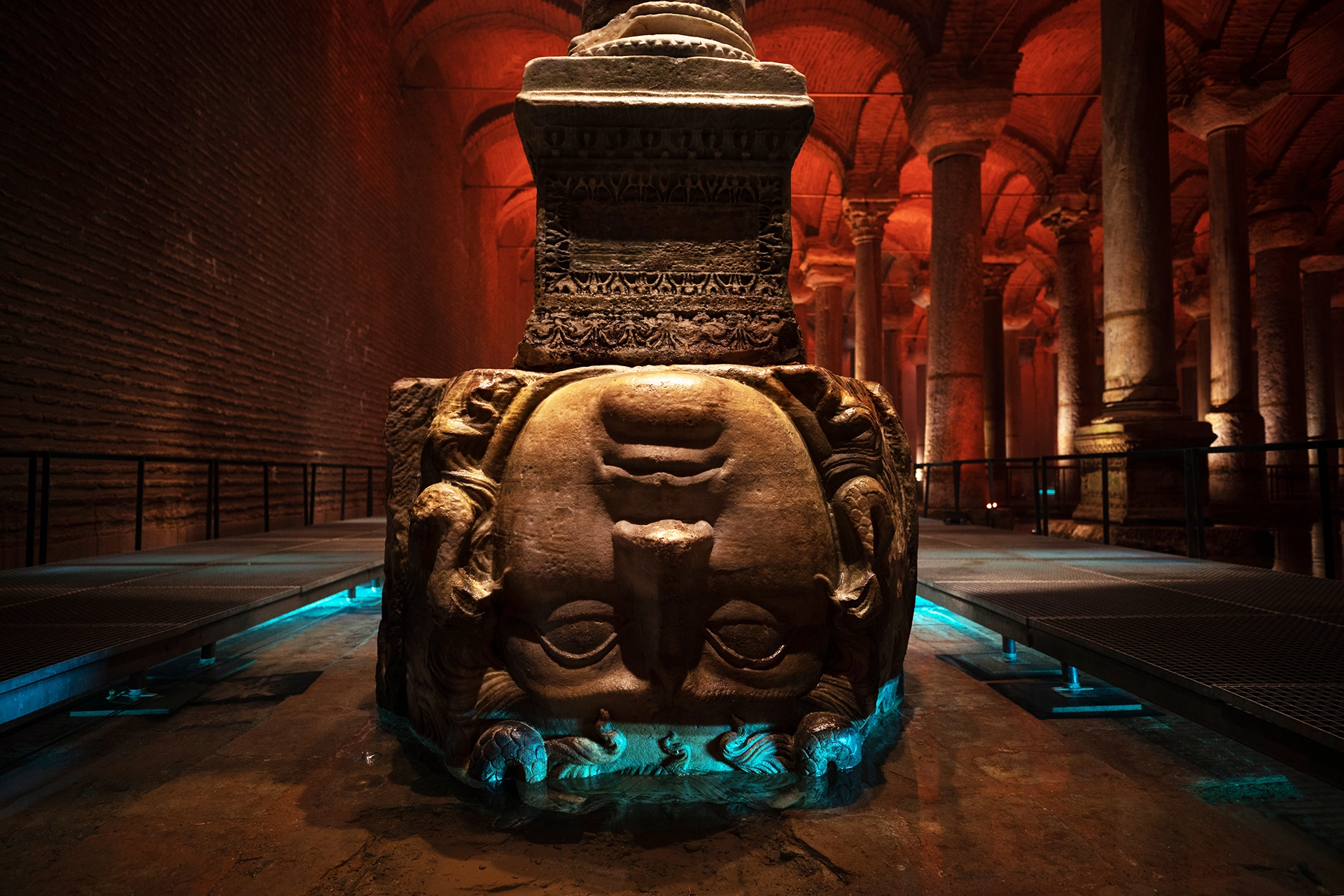
Sophia L. Germany“The Medusa heads were amazing in person. Beautiful lighting inside.”
Daniel K. USA“Super convenient experience. Instant confirmation after booking.”
Anna M. Poland“A bit crowded in the afternoon but still absolutely worth visiting.”
Lucas F. France“One of the most unique places we visited in Istanbul. Easy online booking.”
Sarah P. Canada“We bought tickets the same morning and everything worked perfectly.”
Ahmed N. UAE“The online instructions were clear and entry was smooth.”
Julia B. Spain“Much easier than waiting in the ticket line outside.”
Tom H. Australia“Very tourist friendly and easy to access from Sultanahmet.”
Elena G. Greece“The cistern was smaller than expected but still very impressive.”
Michael D. Ireland“Perfect place to escape the heat during summer. Really enjoyed it.”
Laura S. Netherlands“Mobile ticket entry was fast and simple. No need to print anything.”
Kevin T. Singapore“Very beautiful inside, especially the reflections in the water.”
Maria C. Portugal“Booking ahead online was the right decision. The entrance line was huge.”
Oliver J. New ZealandThe Basilica Cistern was constructed during the reign of Byzantine Emperor Justinian I (527–565) to supply water to the Great Palace, the imperial residence, and surrounding public buildings. An earlier cistern had existed on the same site during the time of Emperor Constantine I, but it was severely damaged by a major fire.
Following this destruction, Justinian I ordered the reconstruction and expansion of the cistern, resulting in the structure that survives today. Water was transported to the cistern through the Bozdoğan (Valens) Aqueduct and a network of additional aqueducts extending from the Belgrade Forest.
Measuring approximately 140 by 70 meters and covering an area of 9,800 square meters, the Basilica Cistern is supported by 336 marble columns arranged in 12 rows of 28 columns each. With an estimated water storage capacity of nearly 100,000 tons, the vast and column-filled interior created a palace-like appearance, leading to its historical name, “Yerebatan Palace”.To explore the history of the Basilica Cistern in detail, please visit the Basilica Cistern history page.
Two mysterious Byzantine-era Medusa sculptures placed as column bases. Positioned sideways and upside down, they are believed to serve protective and symbolic purposes.
A total of 336 marble columns arranged in 12 rows of 28 columns. Many were reused from Roman structures.
Carefully designed lighting creates dramatic reflections on the water and enhances the underground atmosphere.
Shallow water mirrors the columns above, producing a dream-like visual effect and a sense of depth.
Elevated platforms allow visitors to explore the cistern comfortably and safely while preserving the structure.
The subtle sound of water dripping from the vaulted ceiling, combined with occasional music, creates a calm and contemplative experience.
A unique column distinguished by tear-shaped patterns, believed to commemorate the workers involved in construction.
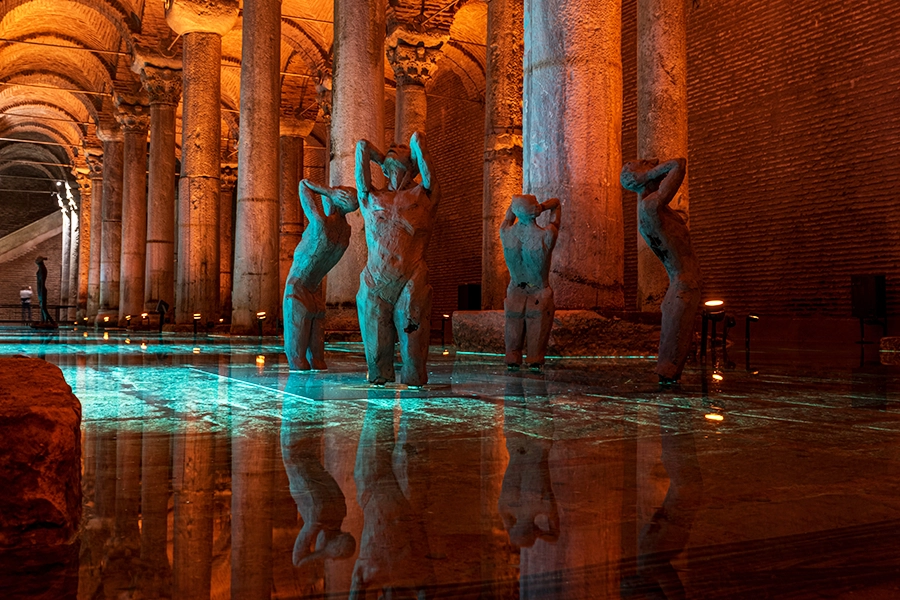
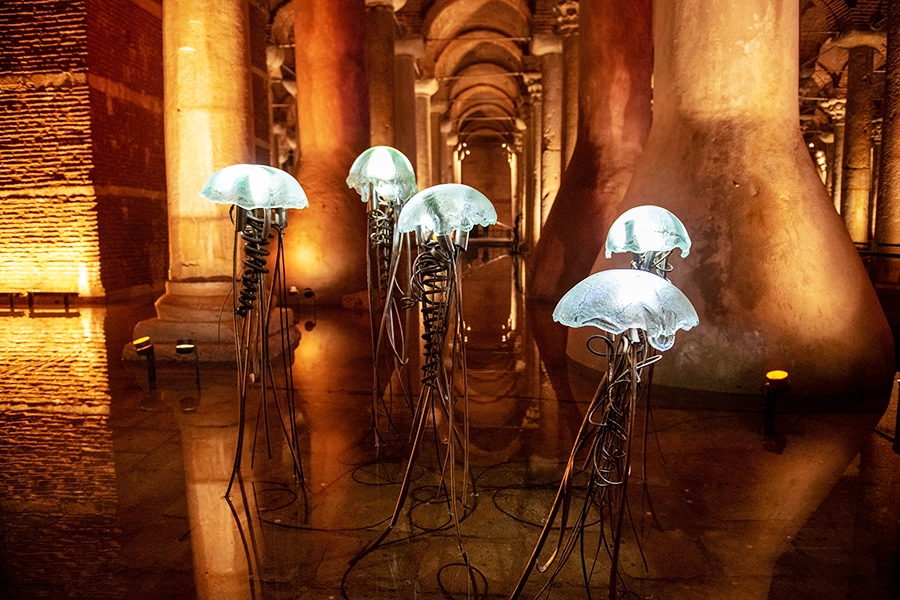
Contemporary art and light exhibitions occasionally transform the space, blending ancient architecture with modern expression.
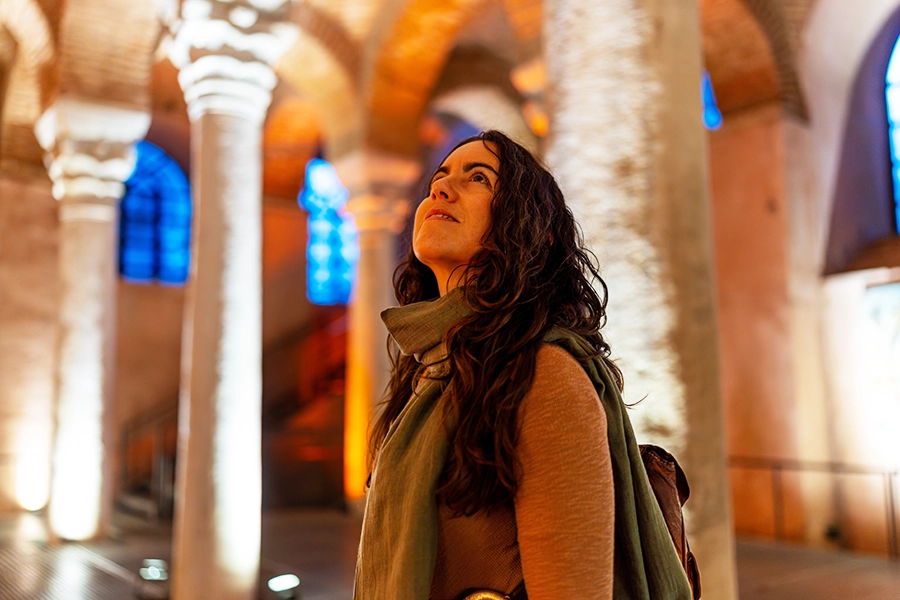
A guided tour is not mandatory to visit the Basilica Cistern. The site can be explored independently, and most visitors complete their visit within 30 to 45 minutes.
However, guided tours offer clear advantages, including historical context, architectural explanations, and stories behind iconic features such as the Medusa heads and the Column of Tears.
Visitors who prefer flexibility often choose to explore the Basilica Cistern on their own. By purchasing an entrance ticket with an audio guide, you can enjoy the site at your own pace while still receiving detailed explanations.
Both options allow you to fully experience the Basilica Cistern — the choice depends on whether you prefer independent exploration or a guided, in-depth tour.
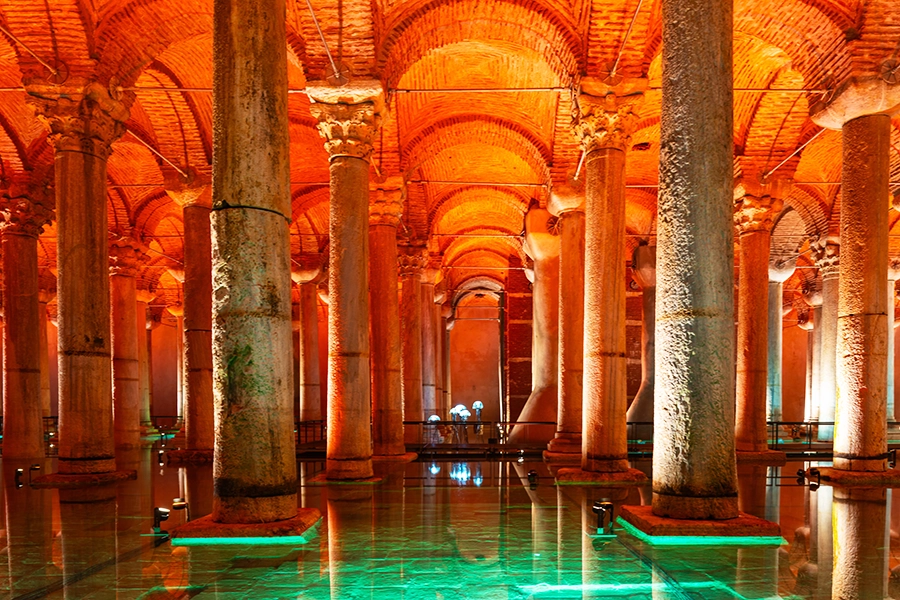
Visitors can purchase Basilica Cistern tickets either directly at the entrance or online in advance. While buying tickets on-site is possible, queues can become quite long, especially during weekends and peak tourist seasons.
Online tickets are often the preferred option, as they typically include skip-the-line access and allow for more flexible visiting times. Booking in advance also helps ensure guaranteed entry without unnecessary waiting.
Travelers who value convenience and time efficiency usually choose to purchase their tickets online before arriving at the Basilica Cistern.
Purchasing tickets online is especially recommended during high season, holidays, and busy travel periods in Istanbul.
The ticket price for the Basilica Cistern varies depending on the type of entry you choose. Standard tickets, skip-the-line tickets, and guided tour options are available. Entrance fees may change depending on the season, so it is recommended to check the latest prices online.
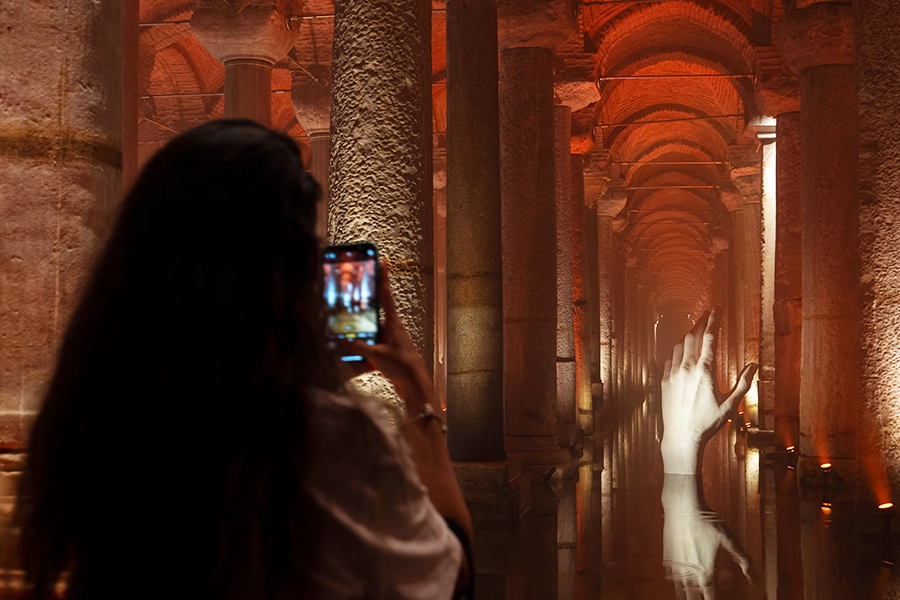
The Basilica Cistern is located in Sultanahmet, the historic heart of Istanbul. It sits within walking distance of major landmarks such as Hagia Sophia and the Blue Mosque, making it very easy to reach.
The entrance of the Basilica Cistern is clearly signposted and located directly opposite the Hagia Sophia.
Getting there is very easy. To explore metro, tram, and walking options in detail, check out our guide how to get to the Basilica Cistern.
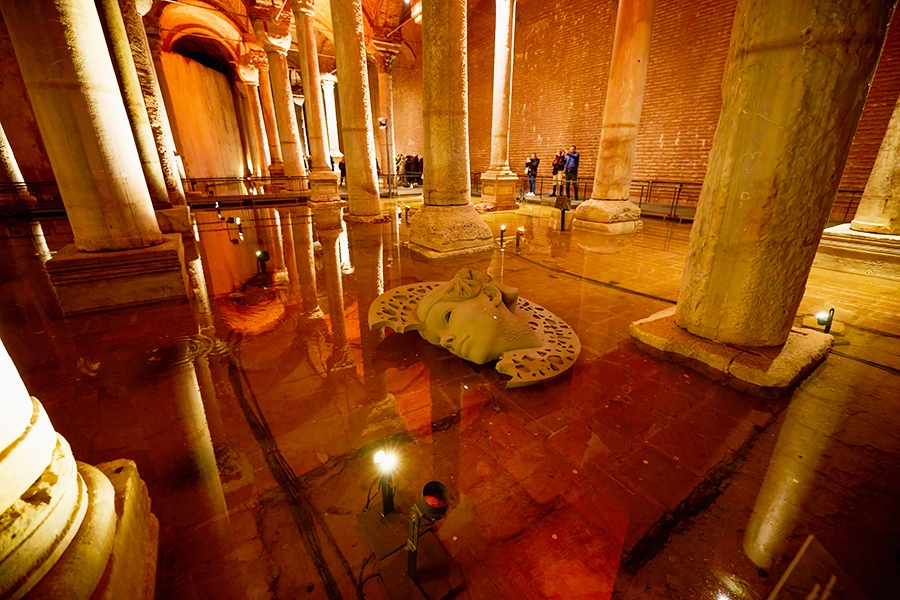
In addition to buying individual tickets or guided tours, many visitors choose an Istanbul city pass to get the most value from their trip. Some passes include the Basilica Cistern, while others focus on museums or transportation.
Below is a comparison of the most popular options to help you decide which pass best fits your travel style. Inclusion policies may change, so always verify current benefits before booking.
| City Pass | Basilica Cistern | Top Inclusions | Validity | Best For | Price |
|---|---|---|---|---|---|
|
MegaPass Essential Recommended |
✔ Included |
Public Transport Hagia Sophia Basilica Cistern Bosphorus Cruise Blue Mosque Istiklal Street to Grand Bazaar Audio Tour Digital Guide Book City, Tram & Metro Map |
365 Days | First-time visitors seeking flexibility and must-see highlights |
From €99 View Pass |
| MegaPass Explorer |
✔ Included |
Public Transport Hagia Sophia Basilica Cistern Bosphorus Cruise Topkapı Palace Blue Mosque Istiklal Street to Grand Bazaar Audio Tour Digital Guide Book City, Tram & Metro Map |
365 Days | Travelers wanting a deeper cultural experience |
From €148 View Pass |
| Istanbul Museum Pass |
✖ Not Included |
State-run museums only (Topkapi, Galata Tower, etc.) |
5 Days | Museum-focused travelers |
From €105 View Pass |
| Istanbul Transportation Card |
✖ Not Included |
Unlimited public transport | 1–15 Days | Budget travelers |
From €45 View Pass |
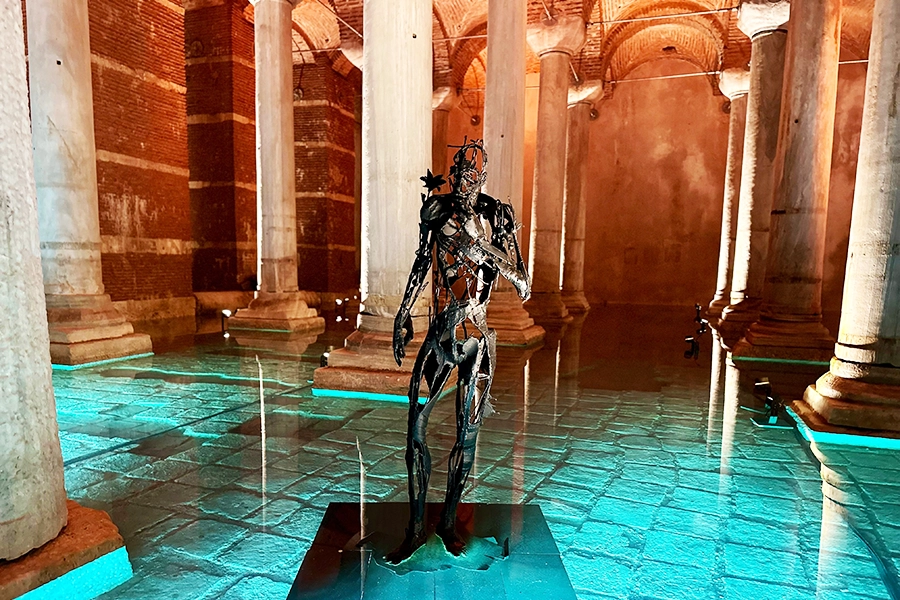
The Basilica Cistern is one of the most visited attractions in Istanbul, welcoming hundreds of thousands of visitors annually.
Visitor numbers peak during spring and summer months, especially between April and October. Early morning and late afternoon visits are generally less crowded.
According to visitor reviews, the Basilica Cistern is praised for its atmospheric lighting, mystical ambiance, and iconic Medusa heads. Many reviews highlight the calm environment and unique underground architecture.
The Basilica Cistern is a 6th-century underground water reservoir built during the reign of Byzantine Emperor Justinian I to supply water to the Great Palace of Constantinople.
The Basilica Cistern is located in Sultanahmet, Istanbul, directly across from Hagia Sophia. Its Turkish name is Yerebatan Sarnıcı.
Most visitors spend approximately 30 to 45 minutes exploring the Basilica Cistern.
The Basilica Cistern is generally open to visitors every day. However, opening hours may vary during public holidays, special events, or seasonal peak periods. Therefore, it is recommended to check the latest Basilica Cistern opening hours before your visit.
Yes, photography is allowed inside the Basilica Cistern. However, flash photography and professional equipment may be restricted.
Yes, all visitors must purchase an entrance ticket to enter the Basilica Cistern. Tickets can be bought online or directly at the entrance.
Buying tickets online is recommended as it helps avoid long queues and often includes skip-the-line access, especially during peak tourist seasons.
Yes, tickets may sell out during busy periods such as summer months, weekends, and public holidays. Booking in advance is advised.
Skip-the-line tickets are worth it during busy hours as they significantly reduce waiting time, especially in high season.
Ticket prices may vary depending on the season and ticket type. Prices generally range from standard entrance tickets to higher-priced guided tours or audio guide options.
A guided tour is not mandatory. Visitors can explore the Basilica Cistern independently, but guided tours provide deeper historical and architectural insights.
Guided tours are worth considering for visitors interested in detailed historical context, stories behind the Medusa heads, and Byzantine engineering.
The Basilica Cistern is located directly across from Hagia Sophia and is less than a one-minute walk away.
The nearest tram stop is Sultanahmet on the T1 Bağcılar–Kabataş tram line. From there, the Basilica Cistern is just a few minutes’ walk.
Yes, the Basilica Cistern, Hagia Sophia, and the Blue Mosque are all located within walking distance and can easily be visited on the same day.
Early morning or late afternoon visits are generally less crowded and provide a more relaxed experience.
Yes, the Basilica Cistern can be very crowded during summer months, especially between late morning and early afternoon.
Yes, the Basilica Cistern is suitable for children and elderly visitors, although lighting is dim and some floors may be damp or uneven.
The Basilica Cistern is one of Istanbul’s most visited historical attractions. Entrance queues can be long, especially during peak hours and high season. Booking your ticket online allows you to skip the line and enter smoothly.
Ticket availability may be limited during peak season